For up-to-date information please follow my Instagram page: @paytons_serpents

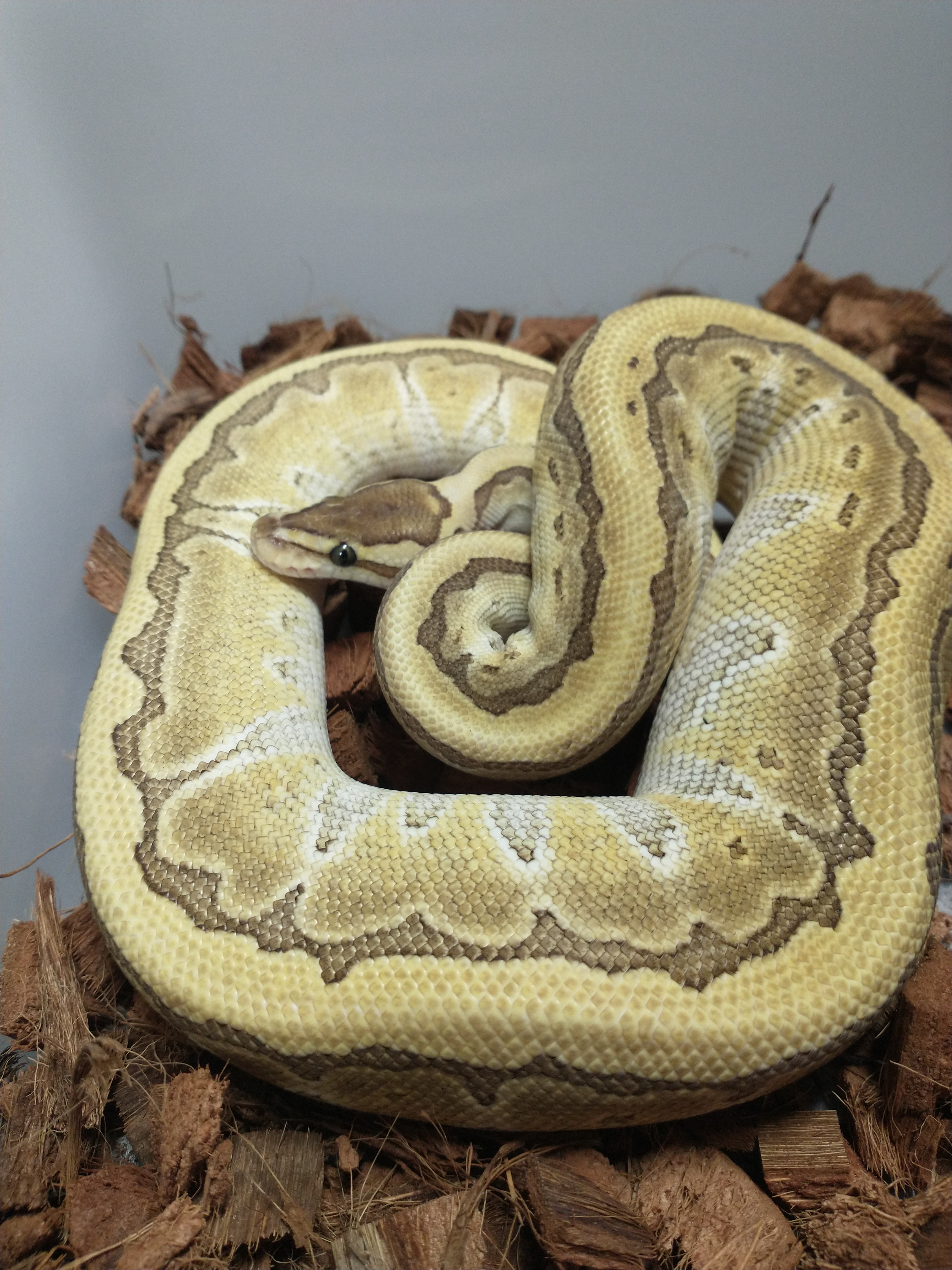

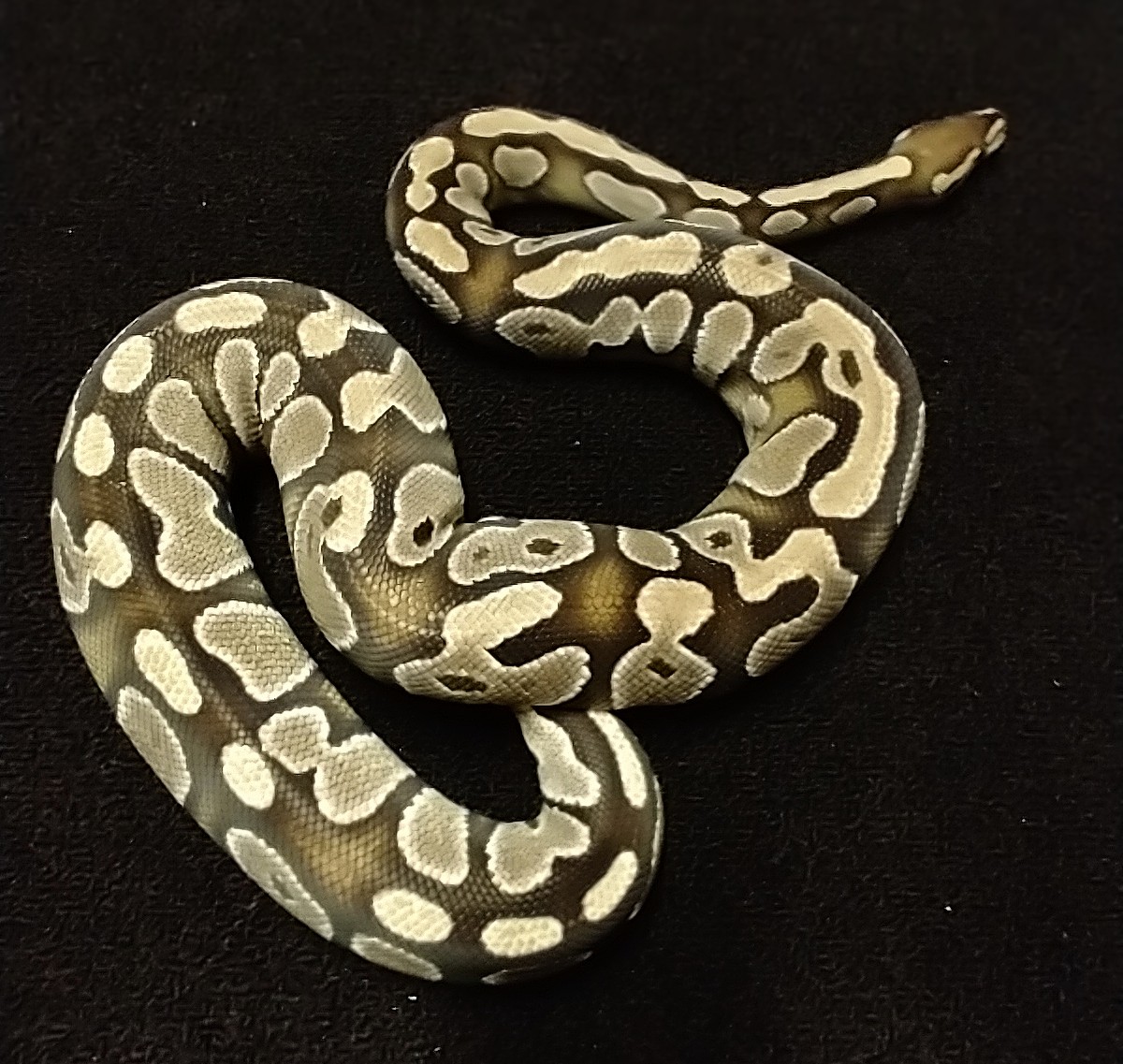
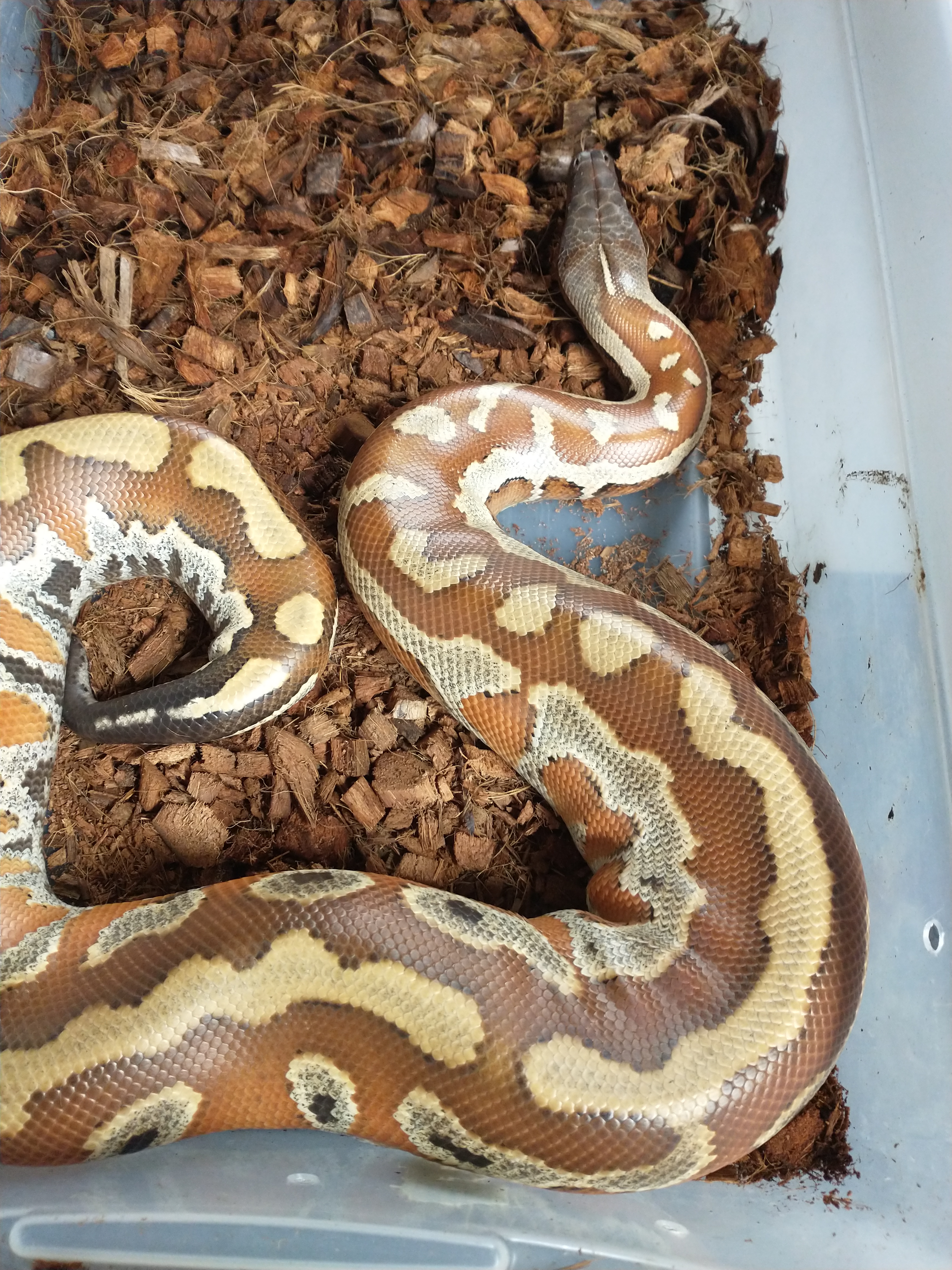
I have been keeping exotic pets for about 30 years. The collection changes over time, but I’m currently mostly working with snakes, including ball pythons, boa constrictors, corn snakes, blood pythons, super dwarf reticulated pythons, and sand boas. I have about 30 snakes and I have successfully bred ball pythons. I also keep tarantulas. At one point I had over 100 tarantulas and I was a member of the American Tarantula Society, but these days I just have five adults. Working with these animals is a deep meditation. They are beautiful, a form of living art. Holding them and taking care of them calms me and provides moments of peace in my otherwise very active life. Read more below for FAQs.
1. Why?
I have been fascinated with reptiles since I was a little boy. Their unique behaviors, stunning variety of colors and patterns, and otherworldly physiology have always fascinated me. In fact, I love all animals, but reptiles hold a special place in my heart. Working with them is basically a combination of animal husbandry and visual art.
2. What kinds do you keep?
Over the years I have had a variety of reptiles, including snakes, tortoises, turtles, geckos, and lizards. Currently I’m working with snakes and three different types of geckos. Tortoises are my favorite, but keeping them in a northern climate is challenging and they are fairly work-intensive and expensive animals. They also require a lot of space.
3. How many snakes do you have?
My snake collection hovers around 30. Eventually I plan to lower that to about 10, but for now I have the bandwidth to maintain a slightly larger collection.
4. Do you have poisonous snakes?
No. There are no poisonous reptiles, but there are venomous reptiles. Poison is something that you ingest, like a poisonous mushroom. Venom is something that is injected into you, like a rattlesnake bite. I do not keep venomous animals because they are in fact very dangerous and I don’t find them interesting enough to justify the risk.
5. How often do you get bit?
About once a year. It’s usually my fault because it is feeding time and I put my warm hand in the wrong place when the animal is charged up and ready to strike. I don’t have any super large animals, so the bites are usually like a paper cut.
6. Do your snakes know you?
No. If you handle them regularly starting when they are hatchlings or babies, they can learn to tolerate handling, but they do not have any kind of bond with me or any other person. I am attached to some of them because I’ve had them for a long time or I bred them or whatever, but those feelings are not reciprocated. It is not like having a loyal dog.
7. Can you make a lot of money breeding them?
Only if you do it full time and you’re on the tip of the spear with the rarest animals. Even then, the market is extremely volatile and once a certain animal becomes commonly bred, its market value drops dramatically. This is not a money-making hobby!
8. Is it cruel to keep your snakes in the racks?
This is a point that is much debated in the reptile community. I think it depends somewhat on the species, and it depends a lot on how much you interact with them. I keep most of my snakes in racks, but they all get time to slither around and get exercise several times a week on the floor or outside when the weather is good. Many species, like ball pythons, spend about 95% of their time curled up in tight spaces in the wild. When I kept these animals in large enclosures I noticed that they rarely moved around and I felt that all that extra space was wasted. They do very well in the racks. In fact, I have found they eat better, shed better, and in general seem more calm and less nervous. That being said, like every animal, they need exercise, which is why I take them out several times a week and give them space to roam around.
9. Do snakes need enrichment in their enclosures?
I don’t think so. I provide them with hides and substrate, so they have something to climb up and over and the edges of the hides help them when they are in shed, but having beautifully decorated enclosures does not seem to make any difference in their perceived “happiness.” Snakes are never going to write novels or do theoretical physics. They have very small brains and they mostly just exist. People often anthropomorphize them and suggest that they are bored, but I have not seen any evidence of that, through personal observation or through the peer-reviewed research.
10. What do you feed them?
All my snakes eat frozen/thawed (F/T) rodents, generally mice or rats. Most of the time I order these online and they arrive a few days later in a box with dry ice. Of course, you must thaw out the rodent and even heat it up a little bit to entice the snake to strike. F/T rodents are cheaper and much easier to deal with than live rodents. And, for my bigger snakes, live large rats can be very aggressive and can fight back and injure the snake. I have a small freezer downstairs where I keep these frozen rodents.
11. How much time do you spend on all this?
About 15 to 20 minutes a day running through the racks making sure the animals are clean and healthy. I usually take a few of them out while I’m doing that and let them get their exercise for the day. Sometimes on weekends or holidays I might be down there for a couple hours handling many of them and enjoying them, but honestly, 30 snakes are much less work than a single dog, and if I need to leave town for a few days, they are fine on their own. More than a week and I must get someone to come in and clean up after them, but I generally don’t travel for longer than a week anyway.
12. How much money do snakes cost?
Anywhere from free to hundreds of thousands of dollars. Most of mine were around the $150 mark, though increasingly my collection is made up of animals that I’ve bred myself. I’m almost getting to the point where the sales of the animals I breed covers the cost of the food of the animals I am keeping. It’s still a net financial loss, but it’s not that much money and I really enjoy it. All of my animals are captive bred. I do not have any wild-caught animals.
13. What animals have you successfully bred?
So far, just ball pythons. Ball pythons are one of the most polymorphic animals in the world and breeding them is quite engaging because you are basically working with a pallet of incomplete dominant, dominant, and recessive genes and with some planning and luck you can create stunning varieties of animals in terms of their colors and patterns, also known as “paint jobs.” Next year I’m going to try breeding boa constrictors and the year after that super-dwarf reticulated pythons.
14. Do the snakes have individual personalities?
Yes, but it’s mostly between species. For example, ball pythons behave quite differently than super-dwarf reticulated pythons. But within the species, the animals are not that much different. Each animal can be a bit more mellow or nervous or active or lazy, but their basic patterns of behavior are quite predictable and consistent.
15. Are snakes slimy?
No. They are dry. Handling them is quite a meditative and enjoyable experience so long as they are docile. I handle all my snakes and it is definitely a meditation that improves my life. I don’t handle my geckos very much. They are flighty and can jump pretty far!

